


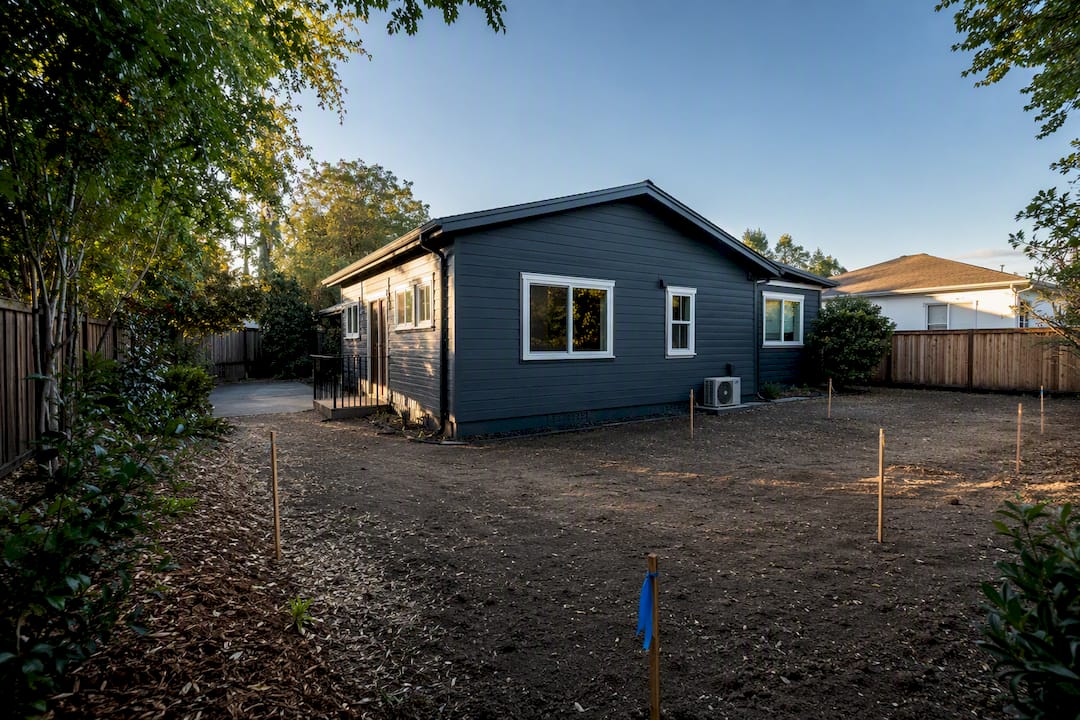
Yes, Berkeley allows accessory dwelling units by right on most residential lots when the project meets the city’s objective development standards. The city aims to review complete zoning certificate applications within approximately 60 days, and every ADU carries a deed restriction that bars short-term rentals. Before you sketch a floor plan, check your parcel against these standards. That single step avoids most of the delays owners run into.
TL;DR:
- Most Berkeley ADUs are reviewed ministerially within 60 days if they meet zoning standards and include a deed restriction banning short-term rentals.
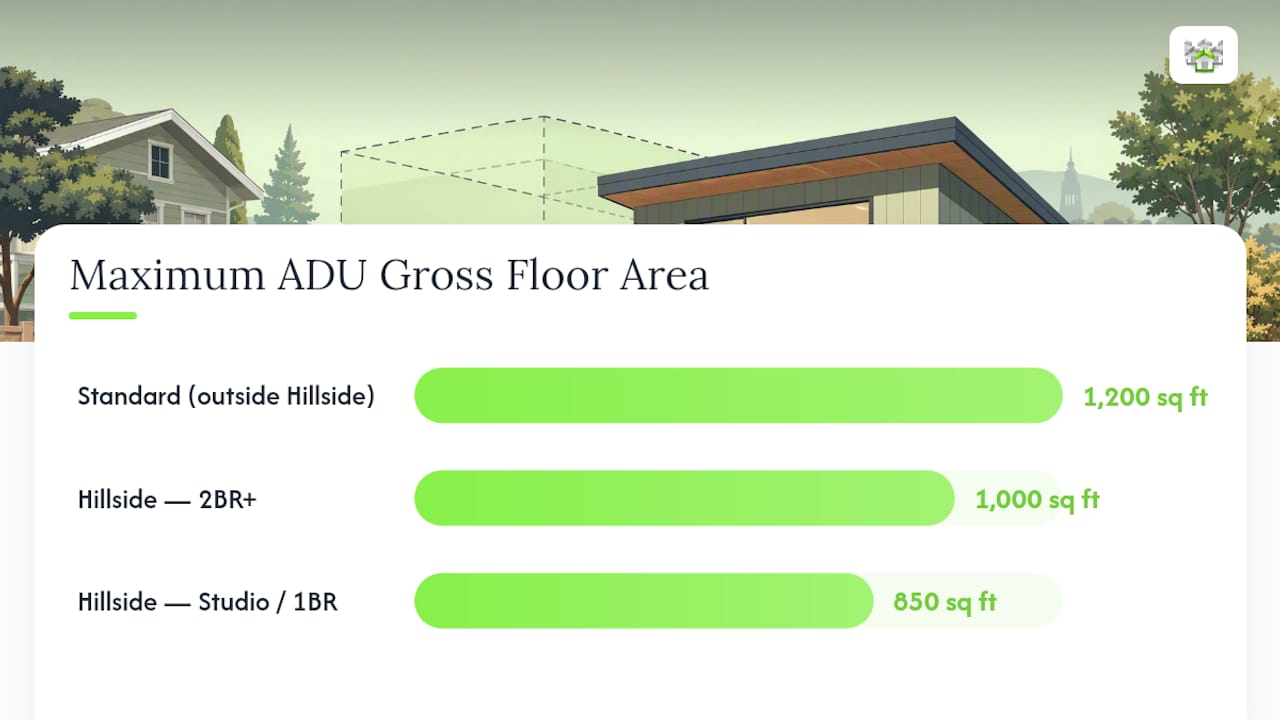
- Standard maximum floor area outside the Hillside Overlay is 1,200 square feet, but it decreases to 850 or 1,000 square feet inside the Hillside Overlay depending on the bedroom count.
- Building permits are required for all ADUs, with fees based on construction valuation, and nonconforming site conditions or proximity to protected features can delay approval.
- Owners should verify parcel zoning, document existing conditions, and choose pre-approved designs early to avoid resubmittal delays.
- ADUs cannot be used for short-term rentals due to recorded restrictions, and project feasibility depends on property market factors and local demand.
Table of Contents
- What Are the ADU Rules in Berkeley for Eligibility?
- How Big Can an ADU Be in Berkeley?
- What’s the ADU Permit Process Berkeley Requires?
- What Turns a Simple ADU Into a Discretionary Review Case?
- What Should Berkeley ADU Owners Do First?
- A Local Agent’s Take on Berkeley ADUs
- Thinking Through ADU Numbers Before You Build
- Sources
- FAQ
What Are the ADU Rules in Berkeley for Eligibility?
Nearly any residential lot in Berkeley qualifies for an ADU, whether it has an existing house or a proposed one under construction. Conversions of garages, basements, and other existing space are allowed, and so is new detached or attached construction, according to the city’s ADU FAQ. ADUs don’t count toward parcel density limits, a point Berkeley clarified in its recent zoning update, Ordinance No. 7,983-N.S., which aligned local code with California’s ADU statutes.
Most single-family lots in Berkeley can combine:
- One converted ADU (garage, basement, or attic space)
- One new detached or attached ADU
- One junior ADU (JADU) carved from the existing house
Multifamily parcels get their own allowances, often permitting several detached ADUs depending on lot size and existing unit count. JADUs must stay within the walls of the existing single-family home and top out at 500 square feet, while standalone ADUs have more flexibility on placement. Lots inside the Hillside Overlay face tighter limits on all of the above, which we cover next. If your property sits on a slope above 15%, treat every size assumption as provisional until you confirm your zoning designation through the city’s mapping tools.
How Big Can an ADU Be in Berkeley?
Size is where most feasibility studies live or die, and Berkeley’s numbers are specific. Outside the Hillside Overlay, a detached or attached ADU can reach a typical maximum gross floor area. Inside the Hillside Overlay, smaller maximum sizes apply depending on the number of bedrooms, as defined in local development standards, per Berkeley Municipal Code 23.306.030.
Key numbers to remember:
- Standard maximum GFA: 1,200 sq ft (outside Hillside Overlay)
- Hillside Overlay maximum: 850 sq ft (studio/1BR) or 1,000 sq ft (2BR+)
- Typical minimum setback: 4 feet from rear and interior side property lines
- Minimum separation from other structures: 3 feet
Height limits depend on what you’re building. A conversion of existing space generally keeps the original roofline, while new detached construction typically maxes out around 25 feet, with some Hillside parcels facing stricter limits tied to average slope. Rooftop decks can add height beyond the base limit, but the city measures that allowance from finished grade, not from the roof deck surface, so confirm the exact formula before you commit to a design.
Setbacks follow a similar split. Most lots need 4 feet minimum on rear and interior side yards, plus a separate 3-foot clearance from any other structure on the property, including the main house. Street-side setbacks can differ by block, and eaves, bay windows, and other minor projections get limited encroachment allowances rather than a full setback exemption. Hillside lots carry adjusted setback and separation rules tied to slope and drainage, which is one more reason to pull your specific parcel’s zoning overlay before finalizing a design.
What’s the ADU Permit Process Berkeley Requires?
Every ADU and JADU needs a building permit, no exceptions. What changes is how much scrutiny your application gets. When a project meets every objective standard in the municipal code, Berkeley reviews it ministerially, meaning staff can’t deny it for subjective design reasons, only for failing to meet a written standard.
- Confirm zoning and pull a Zoning Certificate. The city targets a 60-day turnaround for a complete application, a timeline set to match state law protections for ADU applicants, as the city’s ADU page explains.
- Pay plan check and neighbor-notice fees at submittal. Berkeley collects a zoning plan check fee and a separate neighbor-noticing fee upfront, and building permit fees scale with construction valuation, according to city ADU information sheets. Larger additions can also trigger school district developer fees.
- Expect a neighbor notice. The city mails notice to adjacent property owners within 10 working days of a complete submittal, a courtesy step rather than an approval hurdle.
- Track your application on Permits Online, or submit through the Permit Service Center if you’d rather work with a person directly.
- Record a deed restriction with the Alameda County Recorder before final inspection. This Notice of Limitation locks in owner-occupancy and rental terms and permanently bars short-term rentals on the ADU.
- Request an address assignment. Standalone ADUs need their own address; JADUs typically share the primary unit’s address since they’re part of the same structure.
New construction ADUs also fall under Berkeley’s electrification requirements, meaning natural gas hookups aren’t permitted for newly built units, a detail confirmed in the city’s ADU FAQ.
Pro Tip: Submit your Address Assignment Request at the same time as your building permit application, not after. Waiting until final inspection to request an address is one of the most common causes of last-minute delays we see.
What Turns a Simple ADU Into a Discretionary Review Case?
Ministerial review is the fast lane, but certain site conditions kick a project into a slower, discretionary track that can add months to your timeline. The most frequent triggers:
- Existing setback nonconformities the new ADU would worsen rather than fix
- Structural nonconformance on the primary residence that complicates permitting
- Additions that push total bedroom count high enough to require an Administrative Use Permit
- Any construction near a creek, protected tree, or Coast Live Oak subject to city protections
Nonconforming lots are the single biggest source of delay Berkeley’s own planning staff flags, and the fix is almost always the same: catch it before you design anything. Order a site survey early, document existing conditions honestly, and if your lot has any legal nonconformity, talk to a planner before you invest in architectural drawings.
Pro Tip: A 20-minute pre-application meeting with city planning staff costs nothing and routinely saves weeks. Bring your survey and ask directly whether your lot has any known nonconforming conditions.
When discretionary review is unavoidable, budget for a materially longer runway than the 60-day ministerial target, often several additional months depending on hearing schedules.
What Should Berkeley ADU Owners Do First?
A methodical order of operations beats guessing every time. Follow this sequence and you’ll avoid the resubmittal cycle that eats up most delayed projects:
- Check your parcel in Berkeley’s Community GIS Portal to confirm zoning, Hillside Overlay status, and any creek or tree protections.
- Document existing conditions with a basic site survey, especially if your home predates current setback rules.
- Decide your ADU type (conversion, new detached, attached, or JADU) based on the bedroom count that keeps you clear of Administrative Use Permit thresholds.
- Review the pre-approved design gallery. Choosing a pre-approved plan can shave real time off plan check since the design already meets standards.
- Check grant eligibility. CalHFA’s ADU Grant Program offers financial assistance toward predevelopment and closing costs for qualifying owners; confirm current funding availability before you count on it.
- Submit your building permit through Permits Online along with your Address Assignment Request, and prepare your deed restriction paperwork for recording before final inspection.
A Local Agent’s Take on Berkeley ADUs
Most owners overthink the design and underthink the paperwork. If your lot is clean, a pre-approved plan will get you through faster than a custom architect ever will. But an ADU’s real value shows up at resale, where rental income potential and permit legitimacy matter more than finishes. Run the parcel audit first, check pre-approved designs second, and file only once both check out.
— Kenneth
Thinking Through ADU Numbers Before You Build
Getting the zoning right is only half the equation. The other half is knowing whether an ADU actually makes financial sense for your specific block, and that’s where local market read matters as much as municipal code. Local agents can help Berkeley owners with feasibility questions and provide market insights on what ADU-equipped properties are currently selling for.

This may include a valuation review accounting for the parcel’s ADU potential, referrals to designers and contractors familiar with the permit process, and an assessment of whether the rental income or resale bump justifies the build cost on a specific street. Some blocks reward an ADU with a meaningful jump in buyer interest; others see little difference. Knowing which one applies to you before you spend on plans is worth a conversation. If you’re weighing an ADU against a future sale or purchase in Berkeley, reach out for a consultation and get a market-grounded answer before you file anything with the city.
Sources
Keep these official references handy while you plan, since they’re the documents city staff will actually cite back to you during review.
- Residential Additions and Accessory Dwelling Units | City of Berkeley
- ADU Frequently-Asked Questions (City of Berkeley)
- Berkeley Municipal Code — 23.306.030 ADU development standards
FAQ
What Is the New ADU Law in California That Berkeley Follows?
Berkeley’s Ordinance No. 7,983-N.S. updated the municipal code to match current California Government Code provisions on ADUs, confirming that compliant units are density exempt and reviewed ministerially rather than through discretionary hearings.
What’s the Largest ADU You Can Build in Berkeley?
Outside the Hillside Overlay, the cap is 1,200 square feet of gross floor area; inside the Hillside Overlay, it drops to 850 square feet for a studio or one-bedroom unit and 1,000 square feet for two or more bedrooms.
How Much Does It Cost to Build a 1,200-Square-Foot ADU?
Construction costs vary widely by finish level and site conditions, and Berkeley’s own fee schedule adds valuation-based building permit charges plus plan check and neighbor-notice fees on top of construction costs. Get a site-specific estimate from a contractor before budgeting, since a generic per-square-foot figure won’t reflect Berkeley’s site and permit variables.
What Are the Most Common Mistakes Owners Make With ADUs?
Skipping a pre-application zoning check, ignoring existing setback nonconformities, and requesting an address assignment too late in the process are the three mistakes that cause the most resubmittals and delays.
Do Berkeley ADUs Allow Short-Term Rentals?
No. Every ADU carries a recorded deed restriction, a Notice of Limitation filed with the Alameda County Recorder, that permanently prohibits short-term rental use of the unit.